By Dr. Michael Spann, MD | Double Board-Certified Plastic & Reconstructive Surgeon | Little Rock, Arkansas
If you’ve lost significant weight—whether through bariatric surgery, a GLP-1 medication like Ozempic, Wegovy, Mounjaro, or Zepbound, or some combination of both—congratulations. That’s a life-changing achievement. And if you’re now considering a tummy tuck to address the excess skin and laxity that weight loss leaves behind, you’re in good company. I see hundreds of post–weight loss body contouring patients every year at my practice in Little Rock, and the majority are currently on or have recently used a GLP-1 medication.
The question I hear most often in consultation is straightforward: “Is it safe for me to have a tummy tuck?” The answer is yes—but the details matter. How you lost the weight, what medications you’re taking, and your nutritional status all influence your surgical plan, your risk profile, and your results.
A major new study published in 2025 examined over 153 million patient records to answer exactly this question. It looked at how prior bariatric surgery and GLP-1 receptor agonist medications each affect abdominoplasty outcomes—independently and in combination. The findings confirm much of what I’ve seen clinically, but they also reveal some new risks that every patient considering this surgery should understand.
Why Post–Weight Loss Abdominoplasty Is Different
Abdominoplasty after significant weight loss is not the same operation as a cosmetic tummy tuck on someone who’s been at a stable weight for years. The tissue is different. The blood supply is different. The healing biology is different.
Patients who’ve lost 50, 80, or 100-plus pounds through bariatric surgery often present with large, heavy skin flaps, weakened connective tissue, disrupted lymphatic drainage, and persistent changes in their vascular anatomy. All of those factors influence how the body heals after surgery. Patients on GLP-1 medications introduce another variable: these drugs alter metabolism, gut motility, satiety signaling, and potentially skin biology in ways we’re still learning about.
This is exactly why choosing a surgeon who routinely operates on post–weight loss patients matters. The surgical planning, the technique, and the perioperative management all need to account for these differences.
What the Research Shows: Bariatric Surgery and Tummy Tuck Outcomes
The 2025 study, which used propensity score–matched cohorts to control for BMI, diabetes, and other comorbidities, found several important associations in patients with a history of bariatric surgery who underwent abdominoplasty:
Increased Risk: Hematoma and Seroma
Prior bariatric surgery was associated with a 55% higher likelihood of postoperative hematoma and seroma. This aligns with what we know about post–massive weight loss anatomy: larger flap dead space, disrupted lymphatics, and persistent vascular changes create an environment where fluid collections and bleeding complications are more likely.
In my practice, I address this proactively with progressive tension suturing techniques that close dead space, meticulous hemostasis, and drain management protocols tailored to the post-bariatric patient.
Decreased Risk: Hypertrophic Scarring and Systemic Infections
Perhaps surprisingly, the bariatric surgery group actually showed a 26% lower rate of hypertrophic scarring and a 22% lower rate of systemic infections compared to matched controls. The likely explanation is that significant weight loss reduces chronic inflammation, decreases mechanical tension on the incision, and improves overall metabolic health—all of which support better wound healing and lower infection risk.
This is an important point for post-bariatric patients who worry about their surgical candidacy. The weight you’ve lost isn’t just cosmetic—it’s genuinely protective in several important ways.
How GLP-1 Medications Like Ozempic Affect Tummy Tuck Results
This is the section most of my current patients are asking about, and the research produced a genuinely novel finding.
No Increased Risk for Most Wound Complications
The good news first: GLP-1 receptor agonist use was not associated with higher rates of hematoma, seroma, wound dehiscence, surgical site infection, or thromboembolic events. For patients on medications like semaglutide (Ozempic, Wegovy) or tirzepatide (Mounjaro, Zepbound), this is reassuring—these drugs do not appear to broadly impair wound healing.
A New Concern: Hypertrophic Scarring
Here’s the finding that got my attention: GLP-1 receptor agonist use was associated with a nearly 80% increased risk of hypertrophic scarring after abdominoplasty. This association held up in a sensitivity analysis comparing GLP-1RA users to patients on DPP-4 inhibitors—another diabetes medication that also raises GLP-1 levels—suggesting this is a drug-specific effect rather than a general metabolic one.
What does this mean practically? Emerging research has linked GLP-1 receptor agonists to changes in skin elasticity and accelerated skin aging. There’s also evidence that these medications may activate fibroblasts in a way that promotes excess collagen deposition—the biological process behind hypertrophic scars. This is an active area of investigation, and we don’t have definitive answers yet, but the signal is strong enough that I discuss it with every patient on these medications during their consultation.
The Combined Effect: GLP-1 Medications After Bariatric Surgery
Many of my patients fall into this category—they’ve had a sleeve gastrectomy or gastric bypass and are now also taking a GLP-1 medication to manage weight regain or plateau. The research shows this combination introduces specific additional risks:
Wound dehiscence risk nearly doubled (7.5% vs. 3.9%) in patients using GLP-1 medications after bariatric surgery, compared to bariatric surgery patients not on these drugs. The likely mechanism is compounded nutritional vulnerability—GLP-1 medications suppress appetite and reduce caloric intake in a population already prone to protein deficiency and malabsorption from their bariatric procedure.
Constitutional symptoms increased by nearly 70%—nausea, vomiting, diarrhea, and low blood pressure were significantly more common. Both bariatric surgery and GLP-1 medications independently affect gut motility, the microbiome, and hydration status, and the combination amplifies these effects.
These findings directly inform how I manage this patient population. The surgery itself isn’t off the table, but the perioperative optimization has to be more rigorous.
How We Optimize Safety for Post–Weight Loss Tummy Tuck Patients
Our approach at Little Rock Plastic Surgery is built around the principle that a great outcome starts weeks before the operating room. Here’s what that looks like for post–weight loss abdominoplasty patients:
Comprehensive Nutritional Assessment
We check hemoglobin, albumin, prealbumin, vitamin D, and overall protein status as part of every preoperative workup. For post-bariatric patients and patients on GLP-1 medications, nutritional deficiencies are common and directly affect wound healing. When we identify deficiencies, we work with your primary care physician and a nutritionist to optimize your levels before surgery—and we recheck labs to confirm correction.
GLP-1 Medication Timing
We coordinate with your prescribing physician regarding the timing of GLP-1 medication around surgery. This includes considerations around gastric emptying for anesthesia safety and optimizing your nutritional intake in the weeks leading up to your procedure.
Surgical Technique Tailored to Your Anatomy
Post–weight loss abdominoplasty requires specific technical approaches—progressive tension suturing to minimize dead space, fascia-sparing dissection where appropriate, and meticulous layered closure to reduce tension on the incision. These aren’t generic techniques; they’re the standard of care for the post–weight loss patient, and they require a surgeon who performs these procedures regularly.
Honest, Individualized Risk Counseling
Every patient gets a frank conversation about their specific risk profile. If you’ve had bariatric surgery, we discuss the elevated hematoma and seroma risk. If you’re on a GLP-1 medication, we discuss the hypertrophic scarring data. If you’re in both categories, we talk about wound healing and what we’re doing to mitigate that risk. No surprises.
Frequently Asked Questions: Tummy Tuck After Weight Loss
Is it safe to have a tummy tuck while on Ozempic or Wegovy?
Yes, but it requires careful planning. Current research shows that GLP-1 medications do not increase the risk of most surgical complications, but they are associated with a higher rate of hypertrophic scarring. Your surgeon should be aware of your medication use and factor it into your surgical plan, scar management protocol, and preoperative counseling.
How long after bariatric surgery should I wait for a tummy tuck?
Most surgeons recommend waiting until your weight has been stable for at least three to six months. For post-bariatric patients, this typically means 12 to 18 months after your bariatric procedure. Weight stability matters more than a specific timeline—it ensures your tissues have settled and your nutritional status can support healing.
Should I stop my GLP-1 medication before abdominoplasty?
This is a decision made between you, your prescribing physician, and your plastic surgeon. There are valid considerations around anesthesia (GLP-1 medications delay gastric emptying), nutritional optimization, and wound healing. We coordinate directly with your prescribing doctor to determine the best approach for your specific situation.
What is the risk of wound dehiscence after tummy tuck if I’ve had bariatric surgery and am on a GLP-1?
The research shows approximately a 7.5% risk of wound dehiscence in patients with both prior bariatric surgery and current GLP-1 use, compared to about 3.9% in bariatric surgery patients not on these medications. This elevated risk is manageable with proper nutritional optimization, surgical technique, and postoperative care, but it’s an important factor in your preoperative planning.
Does Ozempic cause worse scarring after surgery?
Recent data suggests GLP-1 receptor agonists are associated with an increased risk of hypertrophic scarring after abdominoplasty. This appears to be related to how these medications affect fibroblast activity and collagen production in healing tissue. Scar management strategies—including silicone sheeting, tension-reducing closure techniques, and close postoperative monitoring—can help mitigate this risk.
Can I have a tummy tuck if I’m still losing weight on a GLP-1?
I generally recommend waiting until your weight has stabilized. Operating while you’re still actively losing means your results may change as your body continues to change, and active weight loss can compromise the nutritional reserves you need for optimal healing.
The Bottom Line
Post–weight loss body contouring is one of the most rewarding procedures I perform. Patients who’ve worked incredibly hard to lose weight deserve to feel as good on the outside as they do on the inside. But this is a nuanced surgical population, and the details of your weight loss history—how you lost it, what medications you’re taking, and your current nutritional and metabolic status—all matter for your safety and your results.
The research is clear: both bariatric surgery and GLP-1 medications come with specific, identifiable risk modifications that an experienced surgeon can plan for and manage. The key is choosing a surgeon who sees enough of these patients to recognize the patterns, tailor the approach, and optimize the outcome.
If you’re considering abdominoplasty after weight loss and want a consultation with a surgeon who specializes in this patient population, contact Little Rock Plastic Surgery at (501) 224-1300 or visit SpannMD.com to schedule your appointment.
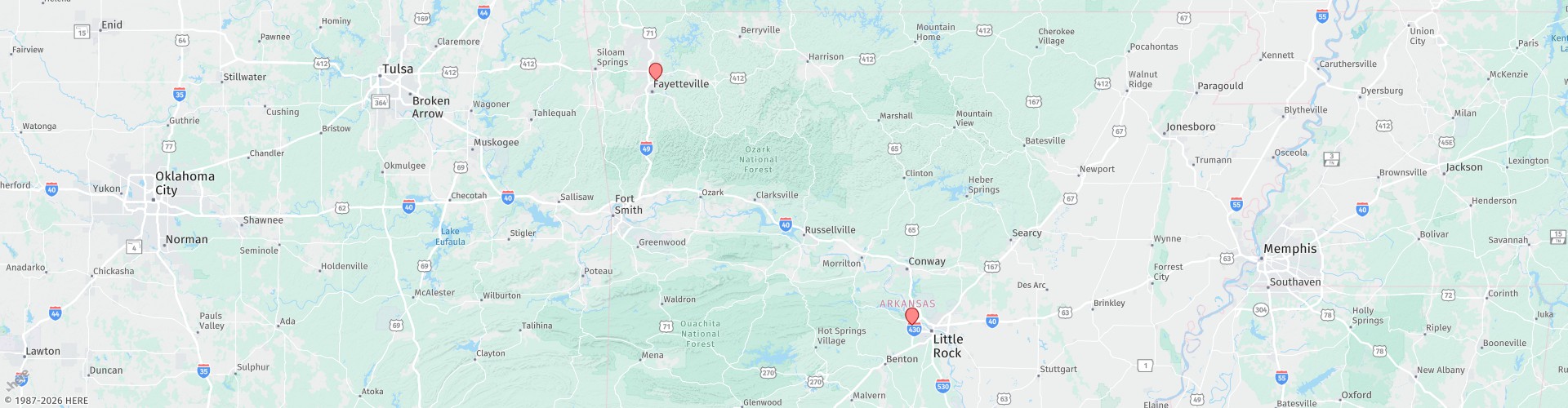
About Dr. Michael Spann: Dr. Spann is a double board-certified plastic and reconstructive surgeon (ASAPS, ASPS) serving Little Rock and Northwest Arkansas. With over 20 years of surgical experience including craniofacial fellowship training, he specializes in post–weight loss body contouring, deep plane facelifts, and aesthetic surgery. He operates an AAAASF-accredited surgery center and holds privileges at CARTI Surgery Center, Baptist Hospital, and Northwest Health System.